
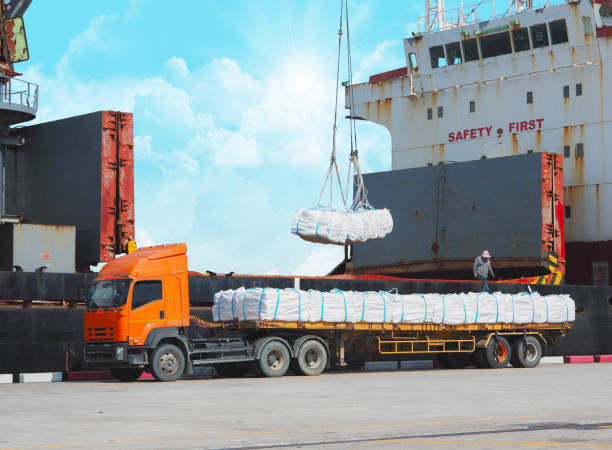
Break Bulk vs Cross Docking: Choosing the Right Logistics Strategy
Break bulk vs cross docking is a recurring choice for logistics managers. Break bulk handles oversized freight, while cross docking […]
Break bulk vs cross docking is a recurring choice for logistics managers. Break bulk handles oversized freight, while cross docking […]
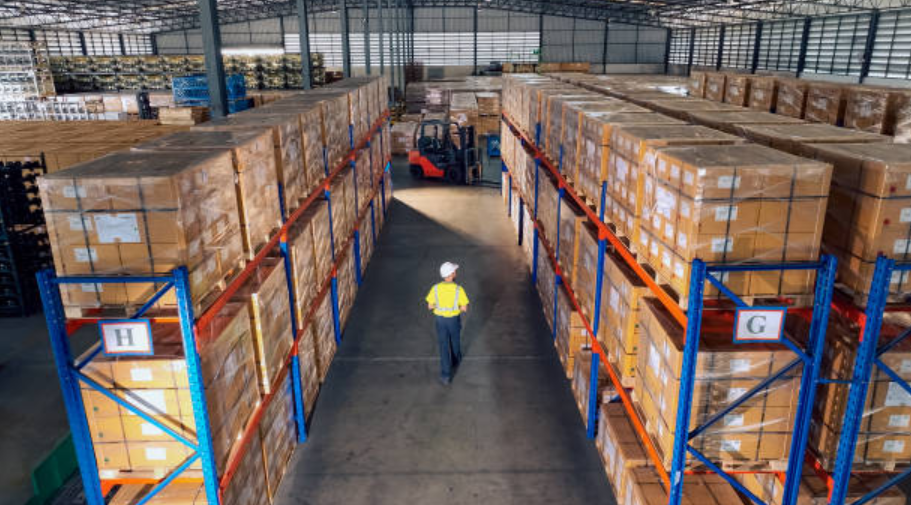
Rising expectations for faster delivery and tighter cost control have led many companies to weigh cross docking vs traditional warehousing.
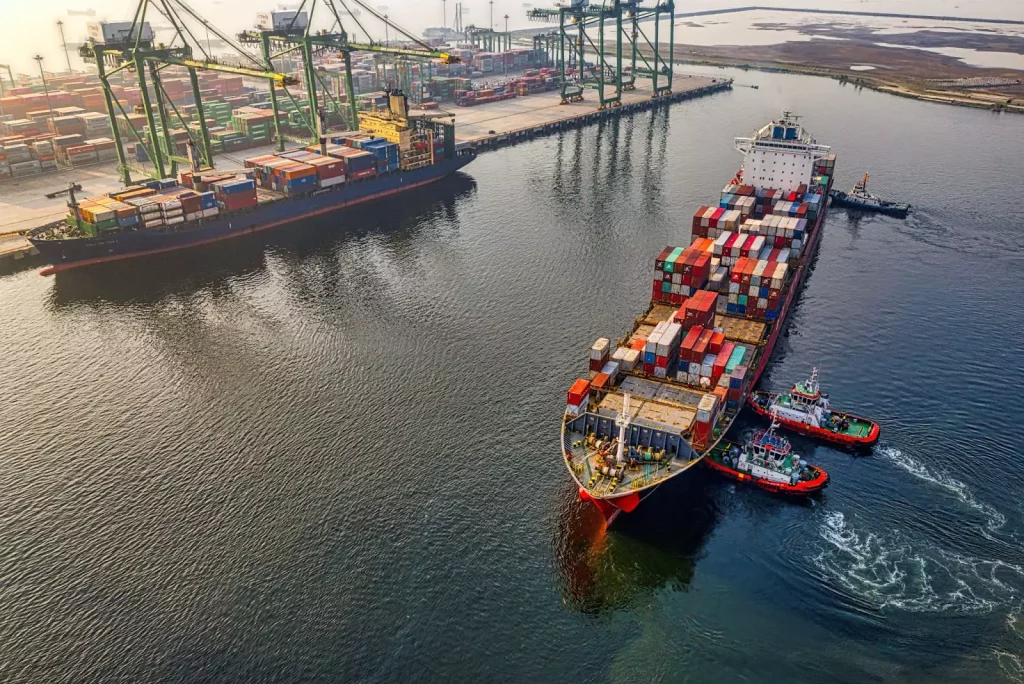
Freight rarely moves in a straight line. Shippers managing long distances, tight deadlines, or port congestion need faster freight strategies.

Cross docking continues to play a vital role in high-speed logistics, especially as supply chains in 2025 demand more responsiveness
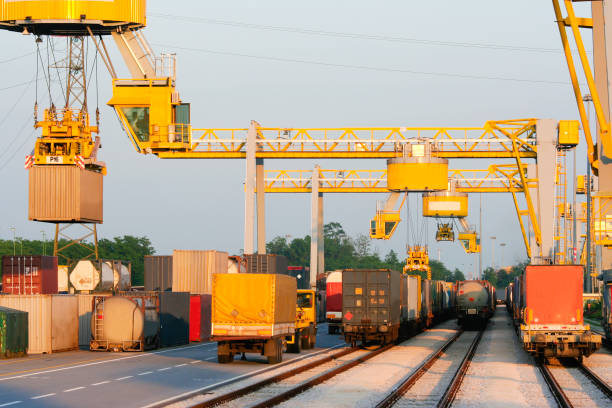
Freight doesn’t slow down for complexity. When long-haul rail meets the demands of short-haul delivery, you need a solution built
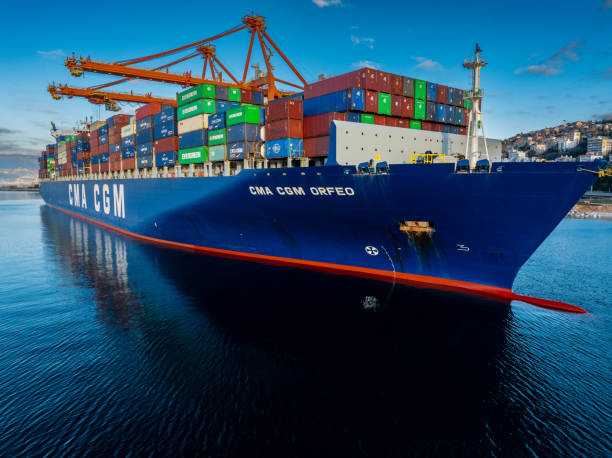
Containerized freight has become the backbone of modern supply chains, enabling goods to move efficiently across oceans, borders, and regional
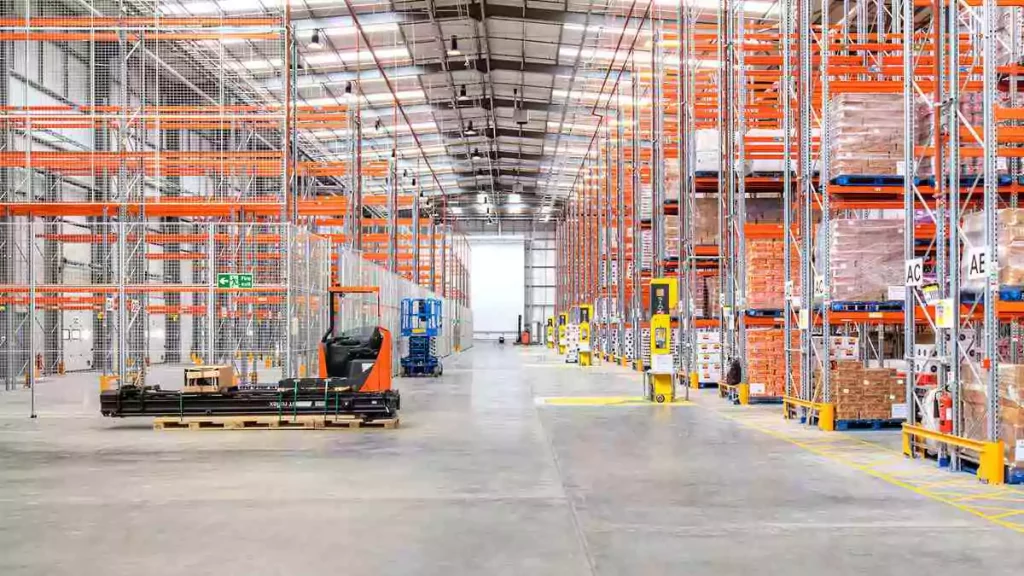
Distribution-heavy businesses face daily pressure to deliver faster while keeping costs and inventory lean. Moving perishable goods, juggling supplier inputs,
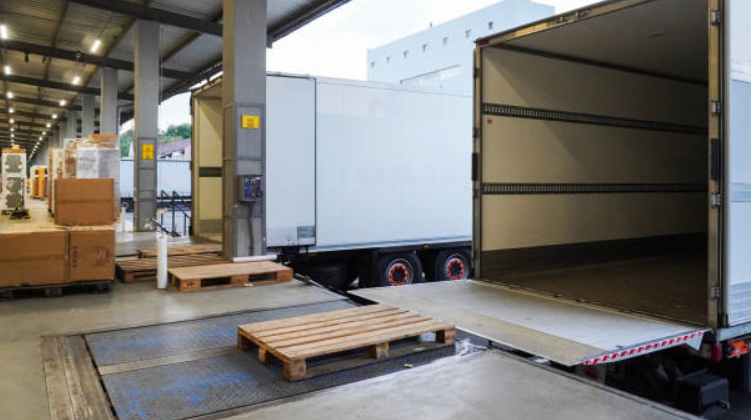
Logistics teams are under pressure to shorten delivery windows and reduce excess inventory. Instead of storing goods for later redistribution,
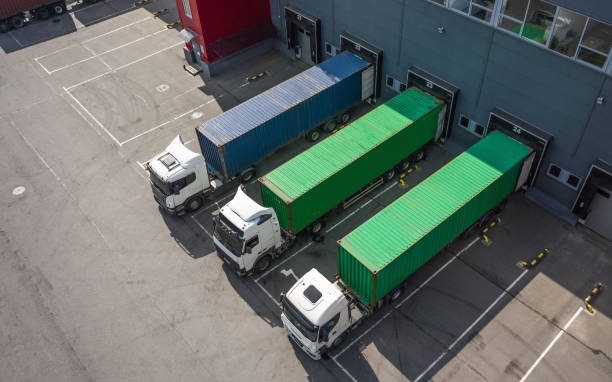
Transload and cross dock are two distinct freight transfer strategies used in fast-moving supply chains. Each method is best suited
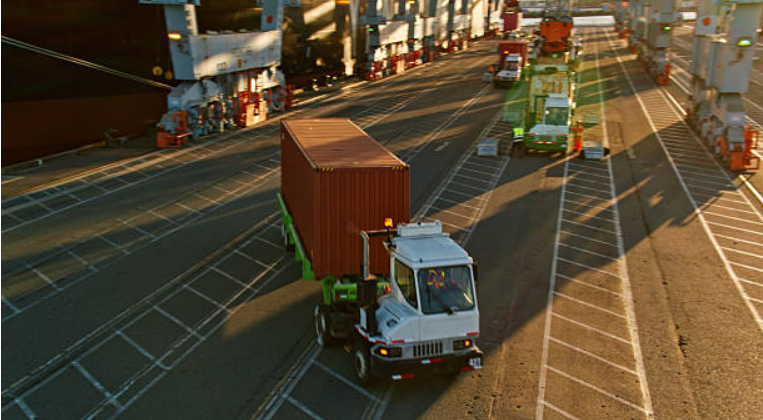
What is drayage and how does it relate to shipping? Drayage is the process that keeps containerized freight moving smoothly