
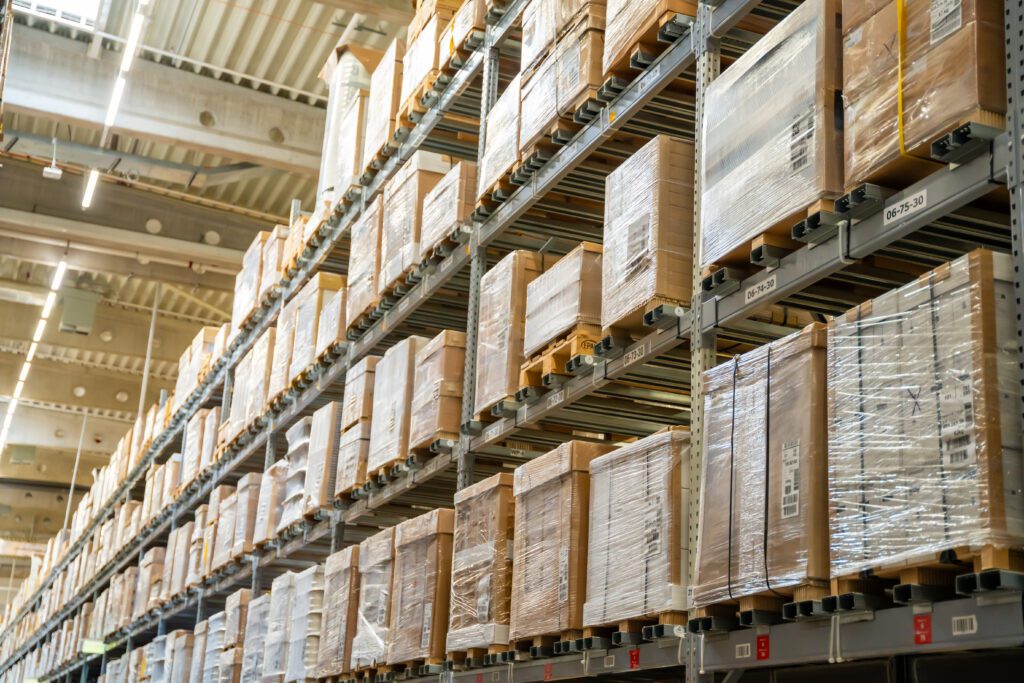
Peak shipping seasons create strong growth opportunities, but they also place heavy pressure on warehouse operations. As inventory rises and freight volumes increase, facilities can quickly reach storage limits. When this happens, businesses face congestion, delays, and reduced operational efficiency.
For companies managing high-volume logistics, warehouse overflow solutions provide a reliable way to maintain control without disrupting daily operations. Whether driven by seasonal demand, promotional cycles, or supply chain disruptions, overflow strategies help stabilize inventory flow during peak periods.
Why Warehouse Capacity Becomes Limited During Peak Seasons
Warehouse systems are designed around predictable inventory levels. During peak periods, inbound freight often exceeds available space.
Retailers may receive months of stock within weeks. Manufacturers often build inventory ahead of production cycles. Importers may increase shipments to avoid delays or shortages.
As inventory builds, warehouses experience:
- Reduced storage capacity
- Dock congestion
- Slower handling times
- Increased labor demand
- Delayed outbound shipments
- Higher risk of product damage
Using warehouse overflow solutions helps prevent these bottlenecks before they impact operations.
Common Causes of Warehouse Overflow
Seasonal Demand Spikes
Retail, e-commerce, and consumer goods businesses often experience predictable seasonal surges that exceed normal capacity.
Supply Chain Disruptions
Delays at ports, transportation slowdowns, or supplier issues can force inventory to remain in storage longer than planned.
Product Launches & Promotions
Short-term demand spikes from marketing campaigns or new product releases can temporarily overload warehouse space.
Demand Fluctuations
Unexpected changes in customer ordering patterns can lead to excess stock and reduced storage availability.
How Warehouse Overflow Solutions Support Operations
Warehouse overflow solutions provide additional capacity without requiring permanent expansion.
Instead of leasing new facilities, businesses can use flexible storage strategies to manage temporary inventory increases.
These solutions improve:
- Inventory visibility
- Dock efficiency
- Order fulfillment speed
- Freight movement
- Operational flexibility
Temporary Storage and Flexible Warehousing
Overflow warehousing provides additional space for excess inventory including:
- Seasonal products
- Finished goods
- Raw materials
- Promotional stock
- Safety inventory
This allows primary warehouses to focus on fast-moving inventory while overflow facilities handle slower-moving goods.
Cross-Docking for Overflow Management

Cross-docking reduces storage pressure by moving freight directly from inbound to outbound transportation with minimal delay.
Benefits include:
- Reduced warehouse congestion
- Faster throughput
- Lower handling costs
- Improved delivery speed
When combined with warehouse overflow solutions, cross-docking significantly improves flow efficiency.
Transloading for High-Volume Freight
Transloading helps redistribute freight between transportation modes such as rail and truck.
During peak seasons, this supports:
- Faster regional distribution
- Reduced warehouse bottlenecks
- Improved inventory positioning
- Better supply chain flow
Maintaining Warehouse Efficiency During Peak Seasons
Inventory Visibility
Real-time tracking ensures inventory accuracy across multiple locations.
Dock Scheduling
Coordinated arrivals prevent congestion and delays.
Labor Flexibility
Temporary staffing adjustments help handle increased volume efficiently.
Benefits of Warehouse Overflow Solutions

Benefits of Warehouse Overflow Solutions
Warehouse overflow solutions help businesses maintain stability and efficiency during peak demand periods while avoiding common operational bottlenecks.
Reduced Congestion
Prevents overcrowding in primary warehouse facilities by distributing excess inventory more effectively. This keeps dock areas clear, improves workflow efficiency, and reduces delays during receiving and shipping operations.
Improved Throughput
Supports steady freight movement even during high-volume seasons. By balancing inventory across available space, warehouses can process inbound and outbound shipments faster and with fewer interruptions.
Greater Flexibility
Allows businesses to scale storage capacity based on seasonal demand, promotions, or supply chain fluctuations. This helps avoid long-term facility commitments while still meeting short-term operational needs.
Better Customer Service
Improves order fulfillment speed and reliability by keeping inventory organized and accessible. This leads to fewer delays and more consistent on-time deliveries during peak periods.
Lower Operational Risk
Reduces the chance of delays, damaged inventory, and workflow breakdowns caused by overcrowded facilities. Overflow planning helps maintain safer and more controlled warehouse environments when volume spikes.
Planning for Seasonal Demand
Effective peak season performance depends on preparation well before inventory begins to surge.
Key factors include:
- Historical demand trends
- Inventory forecasts and projections
- Available storage capacity across locations
- Transportation and routing requirements
- Labor planning and staffing flexibility
Early planning allows businesses to secure warehouse overflow solutions in advance, reducing stress on operations and ensuring smoother performance during high-volume periods.
Keep Freight Moving with Cross Docks & Storage
Cross Docks & Storage provides flexible warehousing, cross-docking, transloading, and overflow storage solutions designed to help businesses manage seasonal inventory surges efficiently.
Our facilities support high-volume freight while maintaining visibility, speed, and operational control throughout peak shipping seasons.