
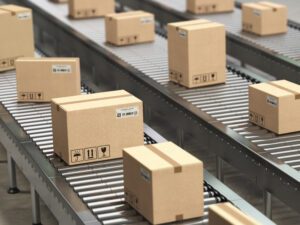
 Unexpected freight shifts create immediate pressure on warehouse space, and teams need a fast way to stay ahead of those swings. When the day’s plan changes, operators rely on emergency storage to protect dock flow, maintain clear travel paths, and handle inventory that arrives outside normal timing. This readiness keeps operations stable even when outside conditions shift faster than expected.
Why Emergency Storage Matters In Daily Distribution
Unexpected changes in freight timing can disrupt the flow of an entire distribution network, especially when trailers arrive in combinations or volumes that exceed the day’s plan. A facility that normally runs in a predictable rhythm can reach its limits when inbound shipments land earlier or later than scheduled, and crews must adjust on the fly. Key triggers include:- inbound trailers arriving in clusters rather than staggered
- suppliers releasing stock faster than consumption pace
- mixed-load shipments requiring slower breakdown
- carriers arriving outside their normal appointment windows
When Core Space Reaches Its Limits
Companies accustomed to fast, reliable throughput know these conditions appear without warning, particularly during seasonal swings or supplier variability. The operations that maintain consistency through these cycles are the ones that build protection into their network through emergency storage that activates when congestion begins to form. Warehouse managers make daily decisions based on available floor space, and small imbalances can quickly reshape forklift movement and staging logic.Where Overflow Capacity Prevents Slowdowns
These conditions complicate route sequencing and slow down work across shifts, especially when outbound timing depends on open lanes. Having standby capacity prevents those disruptions from taking hold. Moving overflow outside the primary work zone keeps docks supplied with clear lanes and predictable movement. These recurring patterns show how quickly space pressures can spread, setting up the daily conditions that emergency buffers are designed to stabilize.Emergency Storage And Day-To-Day Stability
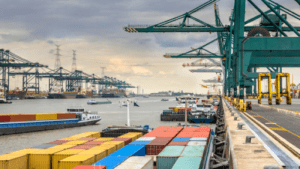
Stabilizing Movement During Volume Swings
A dock that backs up during a pair of heavy inbound loads slows multiple departments downstream. A supplier releasing shipments ahead of consumption pace forces stock into areas never intended for temporary storage. When replenishment and outbound activity overlap, operators see added pressure on shared areas unless extra capacity is available.Maintaining Workflow Under Shifting Conditions
Reserve space isolates unexpected loads in a clean, organized location rather than forcing the entire building to adjust around them. Trailer counts, order profiles, and vendor lead times rarely stay consistent for long stretches, and early surges can be redirected into overflow without altering pick sequences or slowing dock crews.Keeping Staging Lanes And Travel Paths Clear
This move keeps staging areas intact and allows forklift drivers to maintain familiar patterns inside the building. Clear routes preserve accuracy and crew rhythm during unpredictable conditions. Without a ready buffer, reorganizing the floor to create temporary space pulls crews away from productive work at key moments.The Role Of Emergency Storage Containers And Units
Short-term and modular capacity supports daily operational decisions.Why Containers Matter For Fast Shifts
Forklift drivers lose efficiency when they must navigate around improvised stacks, and those detours increase both handling time and exposure to risk. A prearranged buffer eliminates the need for last-minute reshuffling by giving the operation fast-access capacity. With space secured in advance, supervisors redirect pallets into nearby overflow and maintain structure for the rest of the shift. Many logistics managers rely on containers because they can be placed near distribution paths with minimal setup. That same modular approach carries over to units designed for short-term holding, where structure and placement matter just as much as fast access.Units That Strengthen Stability
Containers provide a controlled, modular tool for separating fast-moving items from loads that need temporary holding. When inbound timing changes, these units keep the primary warehouse aligned with its planned workflow and prevent temporary items from blocking aisles or creating pinch points. They support pallets, returns, reserve inventory, and slow-moving goods that would otherwise occupy high-value interior space.Protecting Accuracy And Inventory Condition
Units give operators a defined location to hold items that do not require immediate processing, improving scanning accuracy and reducing misplacement risk. With overflow kept outside the main pick zones, operations maintain clearer logic in their layout and prevent spillover from affecting outbound cases. Proper spacing improves visibility, and inventory stays secure throughout handling. For facilities managing variable demand, this additional capacity converts unpredictable cycles into organized workloads.Emergency Storage For Dock Flow And Transportation Timing
The most important role of emergency storage is its ability to keep docks moving. Dock performance drives labor flow, carrier dwell, and the entire day’s schedule. When staging areas tighten, inbound trailers cannot be unloaded in sequence, and outbound loads lose their timing advantage. Keeping dock-side overflow available preserves clear aisles and safe travel paths for equipment. Replenishment follows consistent patterns into and out of staging, supporting predictable dock turns as the day progresses.Supporting Reliable Carrier Scheduling
These delays compound across the transportation network. Overflow capacity, available at the right moment, prevents this chain reaction. When operators redirect pallets into the buffer, dock crews maintain their cadence and protect the shipping day from schedule drift. Freight always carries variability, and facilities that handle timing shifts without reorganizing their floor gain a measurable advantage.Integrating Emergency Storage Into Planning Cycles
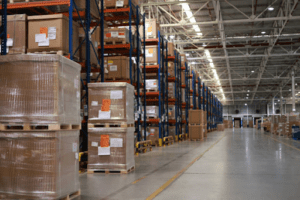
- inconsistent vendor delivery patterns
- inbound clusters arriving within tight windows
- upstream production variability compressing schedules
- delays that force multiple shipments into a single shift