
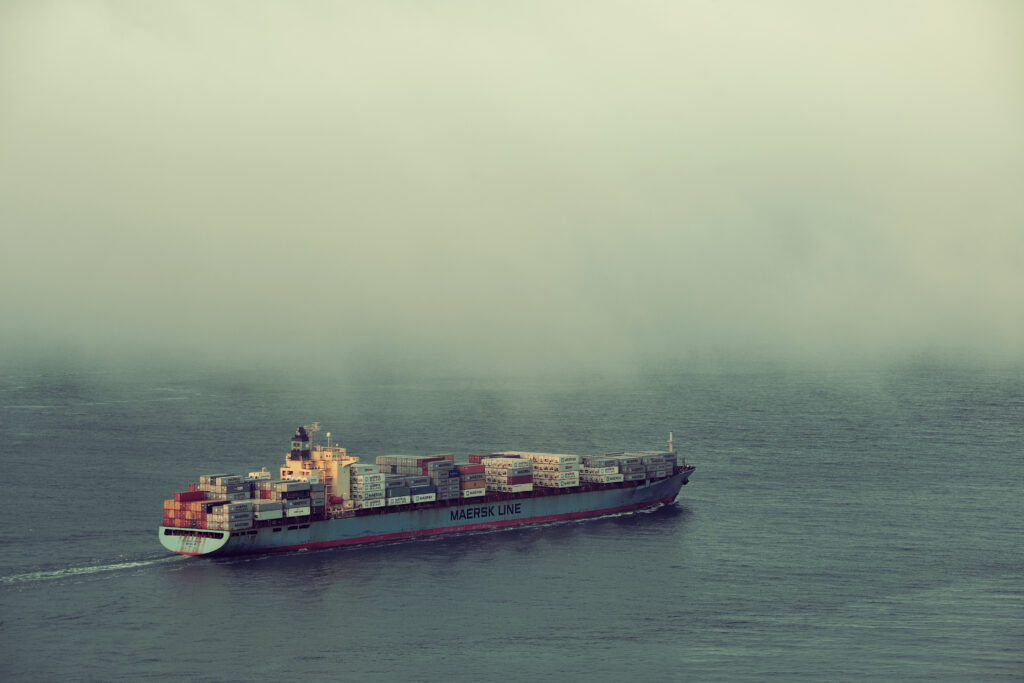
The waterway connects the Persian Gulf with the Indian Ocean and normally carries about one-fifth of the world’s oil supply and a similar share of global liquefied natural gas trade. Since the conflict began on February 28, 2026, traffic through the strait has remained severely disrupted, with periods of partial reopening followed by renewed restrictions.
Most containerized goods moving from East Asia to California do not pass through Hormuz. The crisis is therefore unlikely to stop direct trans-Pacific cargo from reaching California ports. Its effects reach California through a different set of channels: fuel prices, freight surcharges, fertilizer costs, changing vessel schedules, and less predictable inventory arrivals.
California’s Most Direct Exposure Is Fuel
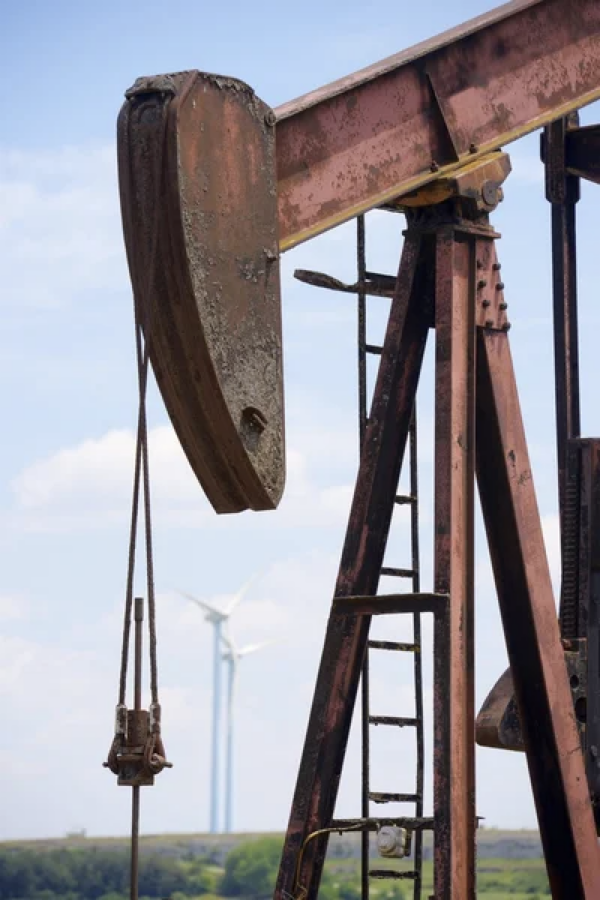
California is more directly connected to Hormuz than many businesses may realize. Before the conflict, approximately 17% of the state’s total crude supply, equal to 29% of its internationally imported crude, moved through the strait, according to the California Energy Commission.
California’s transportation-fuel market is unusually sensitive to international disruption because the state is largely isolated from the major fuel-pipeline systems serving the rest of the country. Most gasoline is refined in-state or brought in by marine vessel, which makes rapid replacement more difficult when normal sources are interrupted.
A May 2026 report identified the New Corolla, carrying roughly 2 million barrels of Iraqi crude, as the last known California-bound tanker to have passed through Hormuz after the fighting began. California refiners have since worked to replace lost Middle Eastern cargoes with supplies from Latin America, Canada, and other regions.
California gasoline prices have already risen sharply during the conflict. Even when a company’s products never pass through Hormuz, higher fuel costs can reach its operation through trucking, drayage, construction equipment, agricultural machinery, warehousing, refrigerated transportation, and final-mile delivery.
The Main Logistics Problem: Uneven Supply Chain Disruption
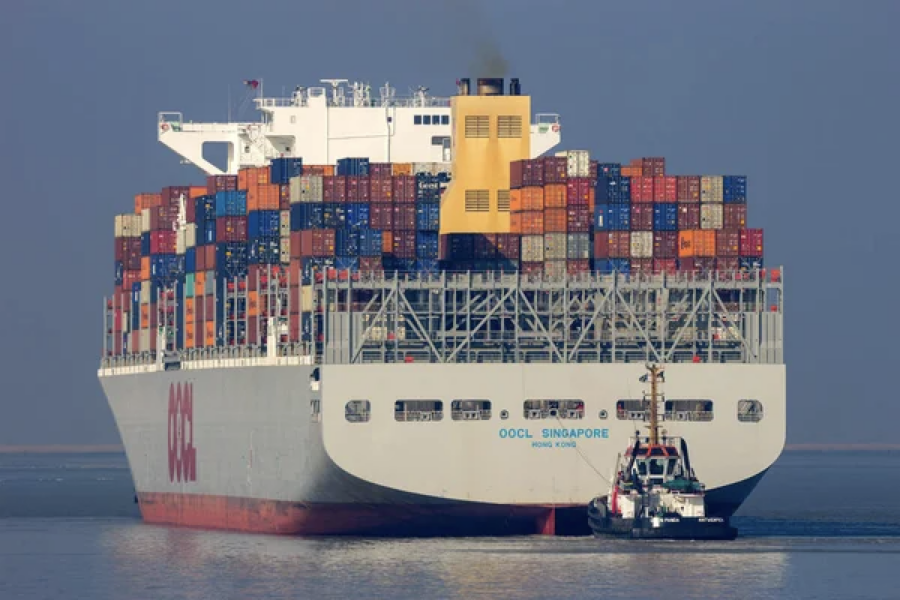
Major shipping disruptions do not always stop cargo completely. More often, cargo continues moving in a less predictable and more expensive way.
Vessels operating near the Persian Gulf may face added security requirements, war-risk insurance costs, transit authorizations, delays, or route changes. Iran’s Persian Gulf Strait Authority, established in 2026, added another layer of uncertainty by asserting control over vessel authorization and transit payments. The U.S. Treasury later sanctioned the authority and warned companies about potential sanctions exposure.
For importers, manufacturers, distributors, and contractors, the operational result is uneven inventory flow. One shipment may arrive weeks late, while several delayed shipments may later reach the same region within a compressed window.
That swing from too little inventory to too much inventory can place sudden pressure on receiving teams, transportation capacity, labor, equipment, and warehouse space.
Pacific Shipping Can Still Become More Expensive
Most shipments from China, Japan, South Korea, and Southeast Asia travel directly across the Pacific. They do not need to pass through Hormuz, but they still operate within a global carrier network.
When vessels, crews, and equipment remain tied up longer in one part of the world, carriers have less effective capacity available elsewhere. Higher bunker-fuel costs can also lead to revised rates and surcharges on trade lanes that never enter the Persian Gulf.
Asia-to-U.S. West Coast spot rates exceeded $6,000 per forty-foot equivalent unit in late June 2026. Freightos attributed the immediate increase mainly to early peak-season demand, tariff-related frontloading, and carrier pricing decisions rather than oil prices alone. The Hormuz crisis nevertheless added fuel-cost and network uncertainty to an already volatile market.
California importers may therefore encounter:
- Higher or less predictable ocean-freight costs
- Emergency bunker or fuel adjustments
- Revised sailing schedules and arrival dates
- Changes in carrier capacity or equipment availability
- Greater competition for space during peak periods
Fertilizer Markets Could Pressure California Agriculture
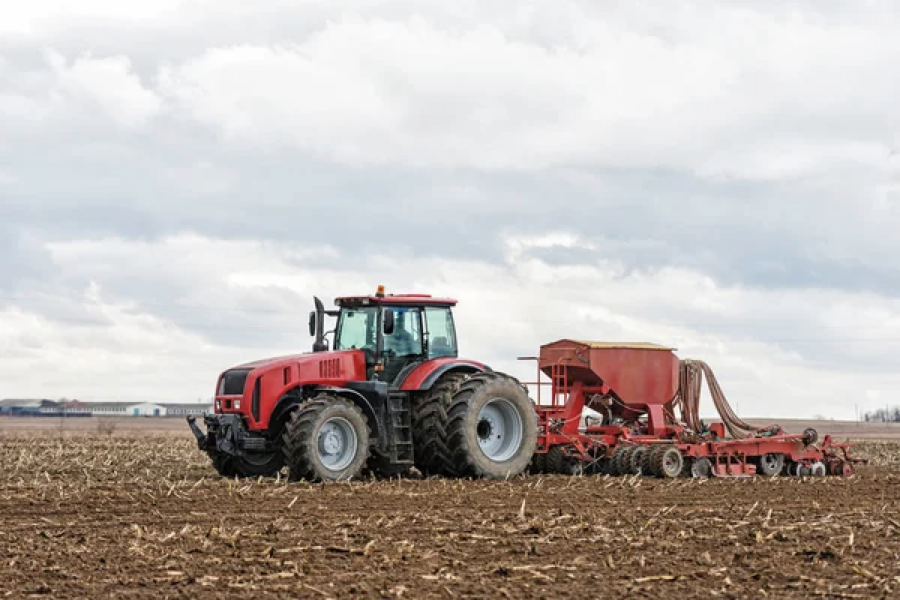
The agricultural connection is indirect but important, particularly for Central Valley growers who depend on stable input costs. California does not receive most of its fertilizer from India, and natural gas is not literally contained in every fertilizer product.
Natural gas is the primary feedstock used to produce ammonia, which is then used to make nitrogen fertilizers such as urea and ammonium nitrate. The Persian Gulf is a major export region for LNG and nitrogen-fertilizer products, so prolonged disruption can tighten global supply and increase competition for replacement cargoes.
India matters because it is one of the world’s largest fertilizer buyers and imports substantial LNG and fertilizer volumes from the Gulf. When major buyers seek alternative supplies, international fertilizer prices can rise even for California growers purchasing through domestic or Canadian supply chains.
The United States produces significant quantities of ammonia and other nitrogen products, and Canada is a major source of U.S. potash. That reduces the risk of a complete physical shortage in California, but it does not isolate growers from global benchmark prices, transportation costs, or higher diesel expenses.
Potential effects on California agriculture include:
- Higher nitrogen-fertilizer and ammonia costs
- Higher diesel expenses for tractors, pumps, and hauling
- More expensive refrigerated and produce transportation
- Greater pressure on seasonal purchasing decisions and farm margins
Manufacturing and Construction Are Exposed Too
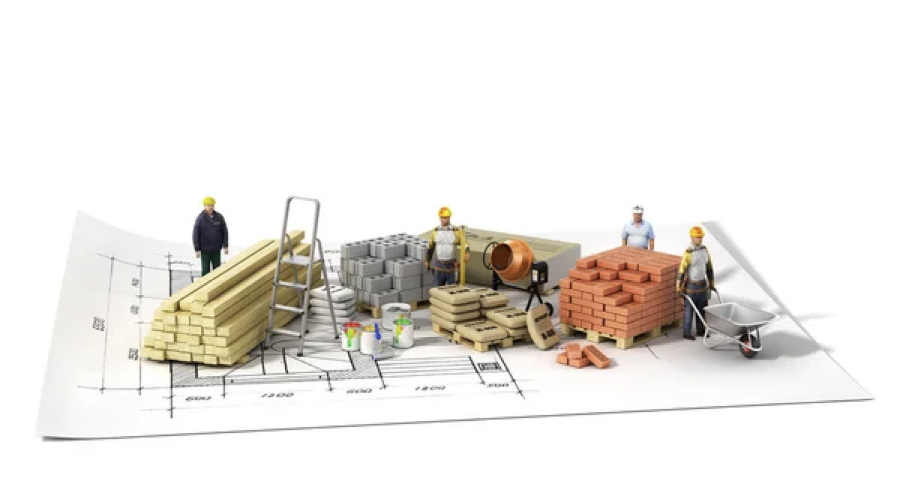
Oil and natural gas prices affect more than transportation. They are connected to the production and movement of plastics, industrial chemicals, asphalt, coatings, packaging, and many building materials.
Manufacturers and contractors working under fixed-price agreements can be especially vulnerable when fuel, freight, and material costs rise faster than project budgets can be adjusted.
Some companies may respond by carrying additional safety stock. That can reduce the risk of a production stoppage, but it also ties up working capital and requires more storage capacity.
Delayed Cargo Can Create Sudden Overflow Storage Demand
One of the most practical warehouse effects is inventory clustering. Delayed cargo does not always return gradually when a bottleneck begins to clear.
A company may receive an overdue shipment shortly before or after its normally scheduled order. Warehouses that already operate near capacity can suddenly have more pallets, containers, or project materials than they can process immediately.
That can create a temporary need for:
- Overflow warehouse space
- Short-term pallet storage
- Container unloading services and sorting
- Cross-docking solutions and transloading services
- Project staging near customers or job sites
- Additional receiving labor and inventory buffering
Flexible overflow storage gives companies room to receive and organize inventory without making a long-term facility commitment. It can also prevent delayed shipments from disrupting normal receiving and distribution activity.
Building More Flexibility Into the Supply Chain
Companies cannot control military conflict, maritime restrictions, or global energy markets. They can prepare for the operational consequences.
California businesses can reduce risk by reviewing supplier lead times, identifying alternative transportation options, maintaining relationships with backup carriers and logistics providers, and planning for both inventory shortages and sudden shipment surges. Working with a 3PL that offers flexible warehouse storage is one way to absorb that unpredictability without overcommitting to permanent space.
Useful indicators include vessel traffic through Hormuz, marine-fuel prices, trans-Pacific freight indexes, supplier lead-time changes, and port dwell times. The goal is not to predict every disruption. It is to create enough flexibility that one delayed vessel, fuel-price increase, or unexpected inventory surge does not interrupt the wider operation.
Frequently Asked Questions
How does the Strait of Hormuz affect California supply chains?
Most container cargo bound for California does not sail through the Strait of Hormuz, so the crisis is not expected to stop shipments outright. Instead, it reaches California indirectly — through higher fuel and refining costs, added freight surcharges, fertilizer-market pressure, and less predictable vessel schedules that make inventory planning harder.
Can Hormuz disruption increase warehouse demand?
It can. When shipments arrive later or in larger clusters than usual, warehouses that are already near capacity can face sudden overflow. That can create short-term demand for extra pallet storage, container unloading, and staging space until inventory flow normalizes.
How can a 3PL help during supply chain disruption?
A 3PL can add flexible warehouse storage, receiving labor, and cross-docking or transloading support on an as-needed basis, so a business doesn’t have to commit to permanent extra space to handle a temporary surge or shortage.
Could fertilizer disruption affect California agriculture?
It could put upward pressure on nitrogen-fertilizer and diesel costs, even though California does not depend directly on Gulf fertilizer imports. Global buyers competing for alternative supply can push up benchmark prices that reach California growers through domestic and Canadian supply chains.
Final Thoughts
The Strait of Hormuz crisis is often described primarily as an energy-market issue, but its effects extend into California transportation, agriculture, manufacturing, construction, and warehousing.
The crisis is unlikely to stop California’s entire supply chain. Instead, it is making that supply chain more expensive, uneven, and difficult to plan.
Crossdocks Storage & Logistics helps California businesses — including companies across the Central Valley — manage overflow inventory, temporary and long-term storage, container unloading, cross-docking, transloading, and pallet storage. If your inventory flow has gotten less predictable, our team can help you find the right amount of flexible warehouse space before the next surge hits.
Talk to us about your overflow or short-term storage needs — contact our team about flexible storage options to get started.