

Order cycle time is driven by how quickly a pick and pack warehouse moves products through receiving, storage, and outbound staging. Fulfillment teams depend on accurate receiving and clear inventory data to keep orders moving without delay. Each stage must support the next to maintain steady performance.
How A Pick And Pack Warehouse Operates
A pick and pack workflow ties receiving, storage, order release, picking, packing, and outbound shipping into one continuous sequence that moves on a steady rhythm.
Receiving And Inventory Stabilization
Receiving sets the tone for the entire day, and teams feel it when accuracy slips early. Items must be counted, labeled, and scanned before they enter storage so pickers can trust the inventory. When inbound accuracy holds, teams spend less time searching for misplaced units and more time moving orders through the building. This early stability reduces the friction created by backtracking or repeated checks at the aisle.
Inventory Mapping And Storage Layout
Once products enter storage, their placement determines how efficiently pickers travel through the warehouse. High-velocity inventory sits near main lanes, and slower items fall back into deeper racks where they remain accessible without slowing movement. A warehouse management system tracks location, movement, and replenishment needs so teams can shift quickly during seasonal peaks. With accurate mapping, travel paths shrink, and cycle times tighten naturally.
Order Release And Workflow Timing
Order release signals the start of active fulfillment, and it’s often the point where the day’s pace becomes clear. Orders may be picked individually, in batches, or through zoned assignments, and each method shapes travel patterns and labor demands. Waves timed to carrier cutoffs help the warehouse prepare shipments before trucks arrive, reducing end-of-day congestion. These pacing decisions keep workers on a steady rhythm and prevent unnecessary delays at outbound staging.
Picking, Packing, And Movement Through The Warehouse
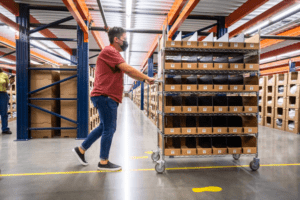
The picking and packing stages convert stored goods into finished shipments ready for carriers.
Picking Accuracy And Scanning Controls
Picking depends on accurate identification, and scanning protects that accuracy. Each verified unit removes downstream errors and keeps the packing bench clear of rework. This control point strengthens the entire sequence because items reach packers with fewer discrepancies. For high-volume e-commerce and retail operations, that consistency directly supports customer expectations.
Packing Bench Efficiency
Packing stations consolidate the work done upstream. Packers match items to orders, select packaging, and prepare each shipment with material that fits the dimensions and protects the product. When stations follow consistent layouts, packers avoid excess motion and maintain a steady pace. A pick and pack warehouse reinforces this stability by maintaining clean benches, organized materials, and predictable workflows from one station to the next.
Outbound Routing And Carrier Coordination
Outbound movement links warehouse activity to carrier schedules. Picked and packed orders must reach staging early enough to meet pickup windows, and clear lanes make it easier to load trucks without delay. When outbound teams work with accurate release timing and controlled volume pacing, transit begins sooner and delivery reliability improves. Missed cutoff times become less common when handoffs between picking, packing, and staging remain steady.
Integrated Handling Of Returns
Returns follow a rhythm similar to forward movement. Items reenter the building, undergo inspection, and return to inventory once they qualify for resale. This loop keeps stock levels accurate and reduces the lag between product arrival and availability. Integrated return handling is especially useful for brands with frequent customer exchanges or high product turnover.
Why Businesses Outsource Pick And Pack Fulfillment
Outsourcing shifts the daily operational load away from the client while maintaining consistent order performance.
Operational Stability Without Added Overhead
Managing a warehouse requires labor scheduling, equipment upkeep, packaging supplies, and ongoing space allocation. A pick and pack warehouse spreads these requirements across many clients, turning fulfillment into a variable cost that aligns with order volume. This model helps brands facing seasonal spikes, promotional demand, or uncertain growth forecasts.
Scalability During Peak And Low Volume
Seasonal demand can multiply order volume quickly, and staffing internal teams for peaks often leads to excess labor during slower periods. A dedicated warehouse adjusts labor levels and reorganizes stations based on daily volume. When orders climb, more pickers and packers come online. When demand drops, labor scales safely without adding cost to the client.
Accuracy And Error Reduction
A pick and pack warehouse lowers error rates through scanning, controlled movement, and standardized processes. Clean data reduces support tickets, replacement shipments, and the hidden labor spent correcting mistakes. It also strengthens customer trust by ensuring orders ship correctly the first time.
Faster Order Cycle Times
Speed increases naturally when each stage operates with aligned timing. Orders move from release to picking, packing, and staging without unnecessary interruptions. A pick and pack warehouse tightens cycle times by reducing travel distance, pacing labor with volume, and maintaining fast packing stations. Companies with same-day or next-day commitments depend on this discipline.
Visibility Across Inventory And Orders
Real-time data on inventory, order status, and outbound timing gives businesses the insight needed to plan promotions, forecast stock, and answer customer questions accurately. When systems share consistent data across receiving, storage, picking, and shipping, decision-making becomes more reliable and responsive.
Improved Focus On Core Activities
Companies focused on product development, customer engagement, or growth initiatives benefit when they shift warehouse operations to a specialist. Managing materials, labor, and shipping schedules requires daily oversight. By relying on a pick and pack warehouse, internal teams remain focused on their highest-value work.
Lower Handling Risk
Every unnecessary touchpoint increases the chance of delay or damage. A streamlined process controls that risk by limiting product movement and maintaining consistent scanning practices. This structure supports multi-SKU catalogs, fragile goods, and operations with customization requirements.
How A Pick And Pack Warehouse Extends Supply Chain Performance
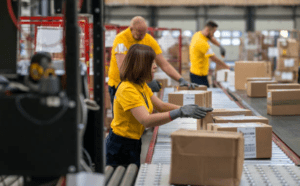
An order fulfillment warehouse becomes a functional extension of the client’s supply chain when each stage supports the next. Inventory stays accurate, order flow remains predictable, and outbound freight moves on a stable rhythm. Companies gain speed, accuracy, scalability, and lower overhead while maintaining clear visibility into every shipment.
Streamline Fulfillment With Cross Docks & Storage’s Logistics Team
Cross Docks & Storage coordinates receiving, inventory management, and outbound routing so your orders move with less friction and more visibility. Our warehousing and distribution teams maintain steady throughput even when order volumes shift. Contact us today for more information.