
When evaluating truckload vs LTL shipping, freight networks operate under different constraints related to shipment size, delivery timing, handling requirements, and routing structure. The decision affects more than transportation costs alone. Trailer utilization, handling frequency, dock scheduling, and delivery consistency can all shift depending on which shipping model supports the load.
Some freight moves best through dedicated trailer capacity with minimal interruptions between pickup and delivery. Other shipments fit more efficiently into shared networks where multiple loads consolidate into a single route. Understanding the operational differences between truckload shipping and LTL shipping helps logistics teams reduce unnecessary handling, improve transit efficiency, and maintain more predictable freight flow across the supply chain.
What Truckload Shipping Supports in Freight Operations
Truckload shipping, commonly shortened to TL or FTL (full truckload), uses a dedicated trailer for a single shipment or customer load. Freight typically moves directly from origin to destination without passing through multiple terminal transfers or shared routing networks.
Because truckload freight remains inside one trailer for the duration of transit, operators reduce the number of handling events that can introduce delays, compression damage, or load instability. This structure supports faster throughput and more predictable scheduling, especially for long-haul or time-sensitive freight.
Truckload shipping is commonly used for:
High-volume freight
Full pallet shipments
Manufacturing replenishment
Retail distribution loads
Time-sensitive deliveries
Freight requiring reduced handling
Dedicated trailer capacity also gives carriers more control over routing and timing. In high-volume lanes, truckload shipping helps reduce dwell time at transfer terminals while supporting tighter appointment scheduling at distribution centers and warehouses.
How LTL Shipping Functions Across Shared Freight Networks
Less-than-truckload shipping, or LTL shipping, consolidates freight from multiple shippers into a shared trailer network. Instead of dedicating an entire trailer to one shipment, carriers maximize trailer utilization by combining partial loads moving in similar geographic directions.
This model allows shippers to move smaller freight volumes without paying for unused trailer space. However, because freight moves through hub-and-spoke terminal systems, LTL shipments typically experience more touchpoints than truckload freight.
During transit, pallets may be:
Cross-docked between terminals
Repositioned for routing efficiency
Combined with outbound regional freight
Sorted by delivery sequence or destination zone
These additional handling stages increase network flexibility but can also extend transit windows compared to direct truckload shipping.
For operations managing smaller or recurring freight volumes, LTL shipping provides a practical balance between transportation efficiency and cost control.
Operational Differences Between Truckload and LTL Shipping
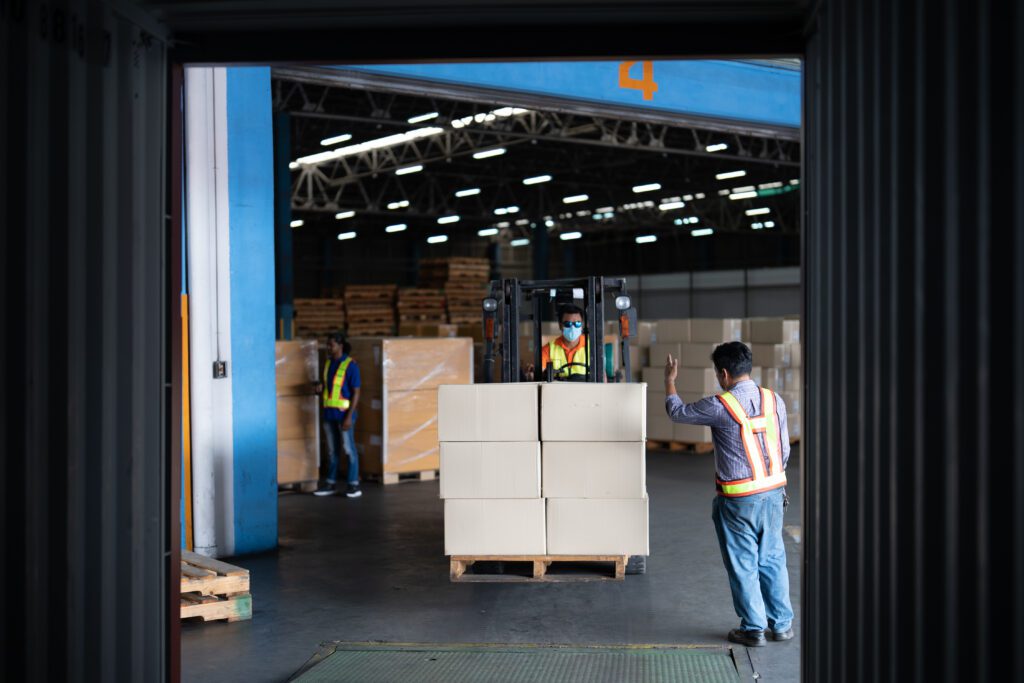
The difference between truckload and LTL shipping becomes most visible at the operational level, where freight handling, routing structure, and delivery timing directly affect warehouse flow and transportation performance.
Transit Structure and Routing Flow
Truckload freight generally follows a direct route with limited interruptions between pickup and delivery. Because the trailer remains dedicated to one shipment, carriers can maintain tighter transit schedules and reduce delays caused by terminal transfers.
LTL shipping depends on consolidation networks that route freight through multiple facilities before final delivery. While this system improves trailer efficiency, it introduces additional transfer points that can extend overall transit time.
For freight moving under strict appointment schedules or production timelines, those routing differences often determine whether truckload or LTL shipping is the better operational fit.
Handling Frequency and Freight Stability
Freight stability changes significantly between TL and LTL environments.
Truckload shipments usually remain loaded once and unloaded once. Fewer touchpoints reduce the risk of:
Crushed cartons
Shifted pallets
Broken wrap
Misrouted freight
Handling-related delays
LTL freight moves through more active handling environments where pallets are repeatedly transferred between docks, trailers, and regional hubs. Proper palletization, load securement, and labeling become more important as handling frequency increases.
For fragile, high-value, or irregular freight, minimizing touches often becomes a deciding factor in transportation planning.
Cost Structure and Trailer Utilization
LTL shipping helps shippers control costs when freight volume does not justify full trailer capacity. Instead of paying for unused space, companies share transportation expense across multiple shipments moving through the same network.
Truckload shipping carries higher direct transportation costs upfront, but becomes more efficient as shipment volume increases. Once freight begins approaching partial-to-full trailer utilization, TL pricing often delivers stronger cost efficiency per pallet or per pound.
The decision between truckload vs LTL shipping usually depends on balancing transportation spend against handling exposure, routing efficiency, and delivery timing requirements.
When Truckload Shipping Becomes the Better Fit

Truckload shipping typically performs best when freight volume, transit urgency, or handling sensitivity outweigh the cost advantages of shared freight networks.
Operations often shift toward truckload shipping when:
Shipments occupy most of a trailer
Freight requires faster transit
Delivery windows are narrow
Pallets are fragile or high value
Long-distance routing reduces efficiency in LTL networks
Rehandling exposure must remain minimal
Dedicated capacity also becomes valuable during seasonal surges when distribution schedules tighten and warehouse throughput depends on predictable inbound timing.
For manufacturing, retail replenishment, and project-based freight movement, truckload shipping often supports more stable operational planning.
When LTL Shipping Supports Better Network Flexibility
LTL shipping becomes more effective when freight volumes remain smaller, recurring, or regionally distributed.
Many businesses use LTL networks to:
Move smaller pallet counts
Replenish inventory more frequently
Control transportation spending
Improve shipment flexibility
Reduce unused trailer space
For growing operations, LTL shipping allows freight to continue moving efficiently without waiting to accumulate full truckload quantities.
Regional distribution systems also rely heavily on LTL shipping to support multi-stop routing structures and variable order flow. In these environments, consolidation efficiency often outweighs the longer transit windows associated with terminal-based freight movement.
Choosing the Right Freight Shipping Strategy
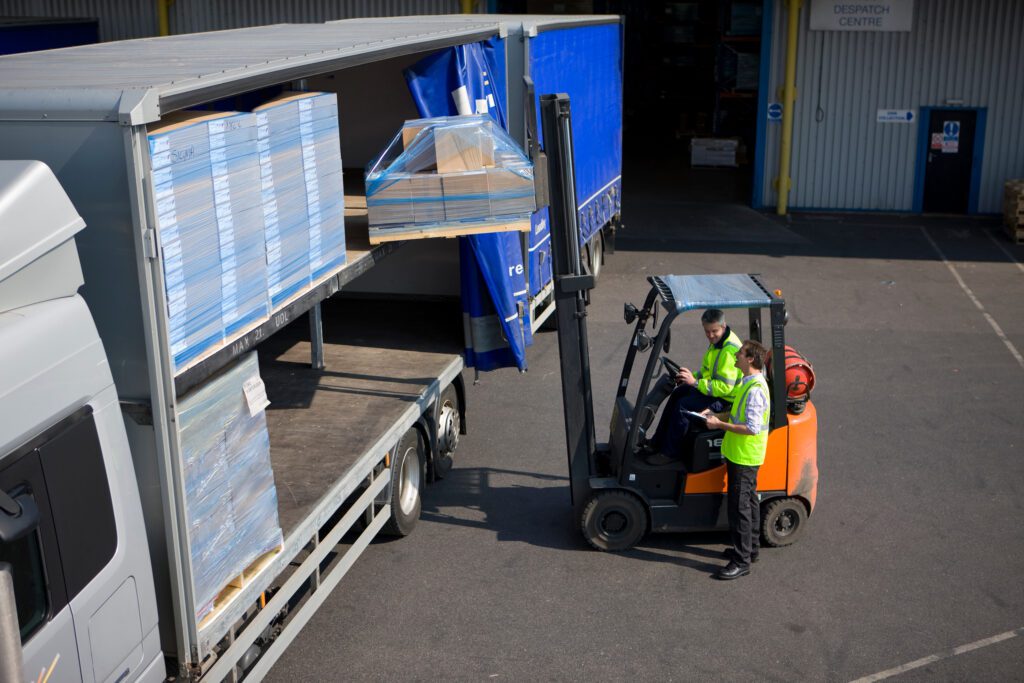
Forklift operator transferring palletized freight into a trailer during warehouse loading operations.
Most supply chains do not rely exclusively on truckload or LTL shipping alone. Instead, logistics teams typically combine both transportation models depending on shipment size, urgency, destination density, and handling requirements.
Truckload freight may support:
Large outbound replenishment loads
Dedicated customer shipments
Time-sensitive deliveries
LTL shipping may support:
Regional inventory balancing
Lower-volume replenishment
Multi-location distribution networks
Balancing both strategies helps operations maintain freight flexibility while controlling transportation and handling costs across changing demand cycles.
As freight volumes fluctuate, the ability to shift between truckload and LTL shipping becomes an important part of maintaining consistent throughput and stable delivery performance.
Improve Freight Flow with Cross Docks & Storage Logistics Services
Cross Docks & Storage helps shippers align truckload and LTL shipping strategies with operational demands across warehousing, cross-docking, and freight distribution networks. Our facilities support efficient freight handling, reduced dwell time, and coordinated load movement designed to keep shipments moving through every stage of transit.
Whether freight requires dedicated trailer capacity or shared LTL routing flexibility, our team helps carriers, brokers, and logistics managers maintain reliable freight flow while reducing avoidable delays and handling disruptions. Contact Cross Docks & Storage today for more information.